Fibrosis Research
Fibrosis Research
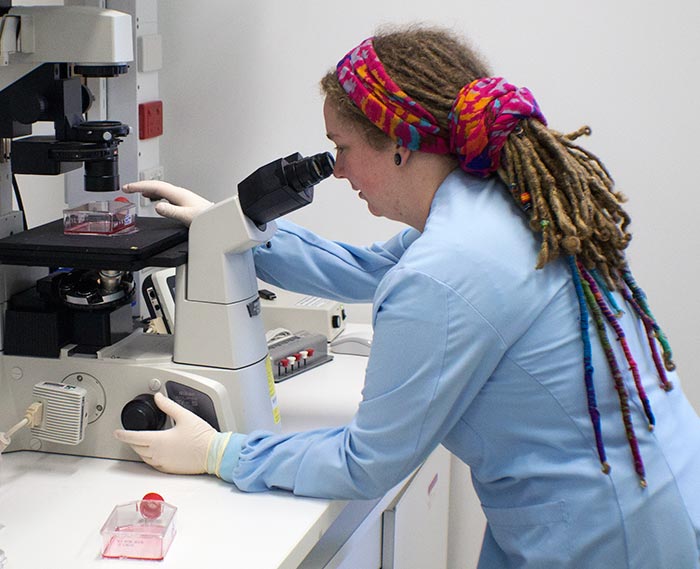 Millions of people are affected by fibrosis each year, leading to disability and death. It affects many parts of the body, including the lung, heart, liver, brain and skin.
Fibrosis is the thickening of connective tissue leading to scarring.
Current treatments are limited in efficacy and there is a need to better understand the changes that drive fibrosis to develop better therapies.
New research study into fibrosis
Through an international collaboration with the Respiratory Department at University College London, our Tissue Repair Group and the Burn Injury Research Unit team at UWA will investigate how cells communicate to initiate and drive fibrosis.
Using readily available drugs our scientists will test new ways to alter cell communication to stop the disease, which in turn will help develop a common and effective therapy that may change the future for people living with fibrosis.
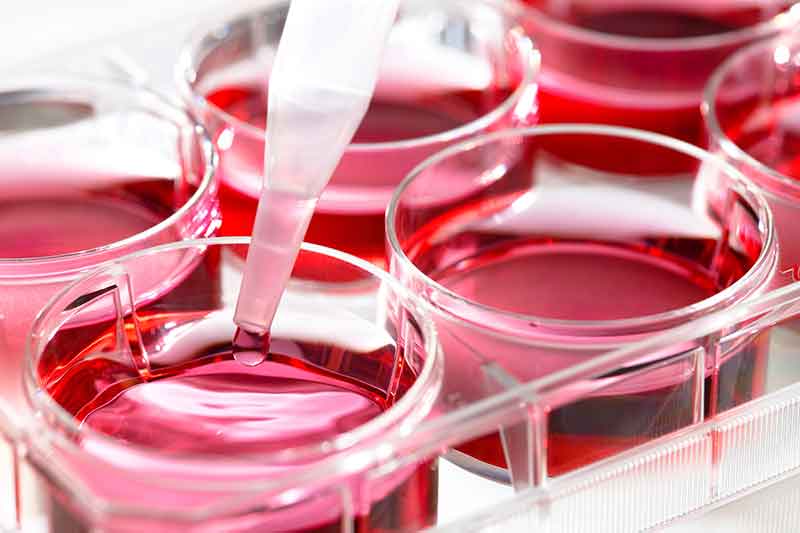 Whilst the fibroblast (a cell in connective tissue, which produces collagen and other fibres) is the key cell involved in collagen deposition, a hallmark of fibrosis, recent studies have shown that an alteration in the way cells lining airways in the lungs (epithelial cells) communicate (or signal) to other lung and blood cells plays a significant role in the initiation and progression of the disease.
Our scientists will investigate the communication between epithelial cells and fibroblasts in a number of fibrotic disorders including idiopathic pulmonary fibrosis, keloid scars and Dupuytren’s disease.
Using small molecule inhibitors in a newly developed epithelial – fibroblast co-culture system, the team will analyse the effect of modulating cell communication on the composition and rate of connective tissue deposition and remodelling.
In addition, we will evaluate the impact of connective tissue composition on the cellular responses to these pro-fibrotic signals.
The combined therapeutic potential of blocking signalling pathways and cell-connective tissue interactions, using small molecule inhibitors, will be examined in animal models of lung and skin fibrosis.
This study will significantly improve our understanding of the pathways and interactions that are responsible for the way epithelial cells and fibroblasts communicate with each other to drive fibrosis and provide much needed new therapeutic opportunities.